English

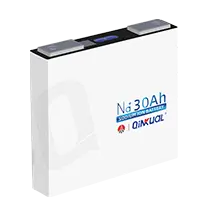
Commercial vehicle OEMs increasingly choose high C-rate LiFePO4 prismatic cells because these batteries deliver the combination of high power output, fast charging capability, long cycle life, and operational reliability required for demanding applications. Electric buses, logistics trucks, mining vehicles, and special-purpose vehicles often operate under heavy loads and frequent driving cycles, making power performance and battery durability critical.
Compared with standard energy-focused battery cells, high C-rate LFP cells are designed to handle rapid current demand during acceleration, climbing, regenerative braking, and high power charging scenarios. For commercial vehicle manufacturers, selecting the right battery cell directly affects vehicle efficiency, operating cost, and long-term customer satisfaction.
Commercial vehicles have fundamentally different battery requirements compared with passenger EVs. They typically operate for longer hours, carry heavier loads, and require frequent energy replenishment.
High power battery cells are needed to support:
Heavy-duty acceleration under high loads
Frequent start-stop driving conditions
Long daily operating hours
Fast charging during short downtime periods
Stable performance in demanding environments
For fleet operators, vehicle availability is a major business factor. A battery system that requires long charging periods or suffers from rapid capacity degradation can significantly increase operating costs.
High C-rate LiFePO4 prismatic cells provide higher power output while maintaining the safety and durability advantages required for commercial applications.
High C-rate LFP prismatic cells are specifically engineered to provide strong current delivery without excessive voltage drop or thermal stress.
The key advantages include:
Commercial vehicles frequently require high peak power during:
Vehicle launch
Highway acceleration
Heavy cargo transportation
Uphill operation
A high C-rate cell can deliver higher current output compared with standard cells, allowing electric vehicles to maintain stable power performance even under demanding conditions.
For example, a 100Ah cell:
1C discharge = 100A output
3C discharge = 300A output
6C discharge = 600A output
This capability makes high C-rate cells suitable for applications where immediate power response is essential.
Commercial vehicles often operate continuously for many hours, creating significant thermal challenges.
High power LiFePO4 prismatic cells improve thermal performance through:
Lower internal resistance
Optimized electrode design
Improved current collection structure
Advanced heat dissipation capability
Lower resistance reduces heat generation during high-current operation, helping maintain battery efficiency and safety.
Effective thermal management also helps extend battery lifespan and maintain consistent performance throughout the vehicle's operating cycle.
OEMs select battery technologies based on total lifecycle value rather than only initial specifications.
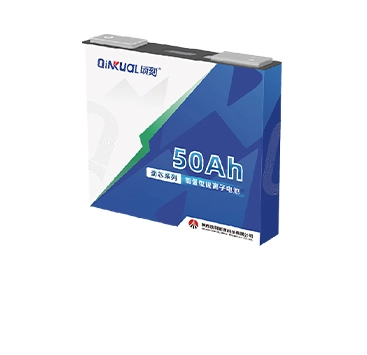
Large-format lifepo4 prismatic cells offer several advantages for commercial vehicle battery packs.
The rectangular structure of prismatic cells allows:
Better space utilization
Fewer mechanical components
Simplified battery module design
Reduced connection points
For commercial vehicles where battery pack size and weight directly affect payload capacity, efficient packaging is especially important.
Commercial vehicles usually experience more charging cycles than private passenger cars.
A delivery truck operating daily may complete hundreds of battery cycles each year. Therefore, battery longevity becomes a key purchasing factor.
High-quality LFP batteries are known for:
Stable chemical structure
Excellent cycle durability
Strong safety performance
Lower degradation over long-term use
A longer cycle life helps fleet operators reduce battery replacement costs and improve vehicle profitability.
High power charging is becoming increasingly important for commercial EV fleets because charging downtime directly affects business operations.
High C-rate LiFePO4 prismatic cells support faster charging by allowing higher current input while maintaining battery stability.
Benefits include:
Shorter charging windows
Increased vehicle utilization
Improved fleet scheduling
Reduced charging infrastructure pressure
However, charging speed depends on multiple factors, including:
Battery cell charging capability
Battery management system settings
Charger power rating
Thermal control system
Operating temperature
A high C-rate cell provides the foundation, but the complete battery system must be designed for safe and efficient fast charging.
Choosing a battery cell involves more than comparing C-rate values. OEMs should evaluate the complete performance profile.
The required discharge capability depends on:
Vehicle weight
Motor power
Driving environment
Maximum acceleration requirements
Operating schedule
A battery with insufficient C-rate capability may experience excessive heat generation and reduced performance.
Higher power capability does not always mean better performance.
OEMs need to balance:
Energy density
Power density
Battery cost
Vehicle range
Charging requirements
For example:
Long-distance logistics vehicles may prioritize energy capacity
Urban buses may prioritize cycle life and fast charging
Heavy-duty vehicles may require higher discharge performance
Commercial vehicle battery packs contain hundreds or thousands of cells.
Poor consistency between cells can lead to:
Uneven aging
Reduced usable capacity
Increased BMS balancing requirements
Lower pack reliability
Professional suppliers should provide detailed testing data, including:
Capacity consistency
Internal resistance data
Cycle performance
Temperature testing results
High C-rate cells are not universally better; they are designed for specific applications.
Standard LFP cells are suitable for:
Residential energy storage
Low-power applications
Long-duration discharge systems
High C-rate LiFePO4 prismatic cells are more suitable for:
Commercial EVs
Fast charging systems
Industrial vehicles
High-power energy storage applications
The correct choice depends on the vehicle's power demand, operating conditions, and lifecycle requirements.
The lifespan of an LFP battery depends on:
Charge and discharge rate
Operating temperature
Depth of discharge
Charging strategy
Battery management system performance
High-quality LFP prismatic cells can maintain strong performance over thousands of cycles when operated within recommended conditions.
For commercial vehicles, proper system integration is essential. Even a high-performance cell requires:
Accurate battery monitoring
Effective thermal management
Proper charging control
to achieve maximum service life.
Yes. High C-rate batteries can support higher charging currents, making them suitable for high power charging systems. However, the final charging speed depends on the complete battery pack design and charging infrastructure.
The ideal C-rate depends on the vehicle application. Urban buses and delivery vehicles may require moderate to high C-rate performance, while heavy-duty vehicles operating under extreme loads may require higher power capability.
When properly designed and managed, high C-rate LFP cells can provide long service life. Advanced cell materials, thermal management, and intelligent BMS control help minimize degradation during high-current operation.
Commercial vehicle OEMs require battery solutions that can deliver reliable power, withstand frequent cycling, and support efficient operations. High C-rate LiFePO4 prismatic cells meet these requirements by combining strong discharge performance, excellent thermal stability, long cycle life, and compatibility with high power charging systems.
As electric commercial vehicles continue to expand globally, selecting the right high-power battery cell has become a strategic decision for manufacturers. By partnering with experienced LFP battery suppliers and choosing optimized cell specifications, OEMs can achieve better vehicle performance, lower operating costs, and improved long-term reliability.
This is the first one.