English

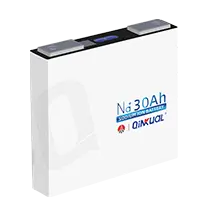
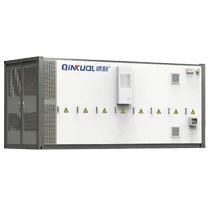
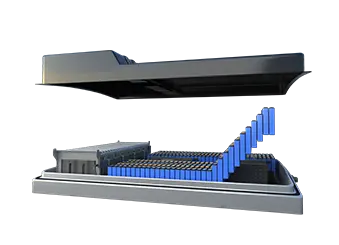
A long cycle life battery is characterized by its ability to endure many charge/discharge cycles before its capacity degrades below a useful threshold—typically around 80% of its original. While conventional lithium-ion chemistries may offer only a few hundred to a thousand cycles, a long cycle life battery such as lithium-iron phosphate (LiFePO₄) can generally sustain between 2,500 and 12,000 cycles. In more advanced variants like lithium-titanate (LTO), cycle life may extend to tens of thousands of cycles.
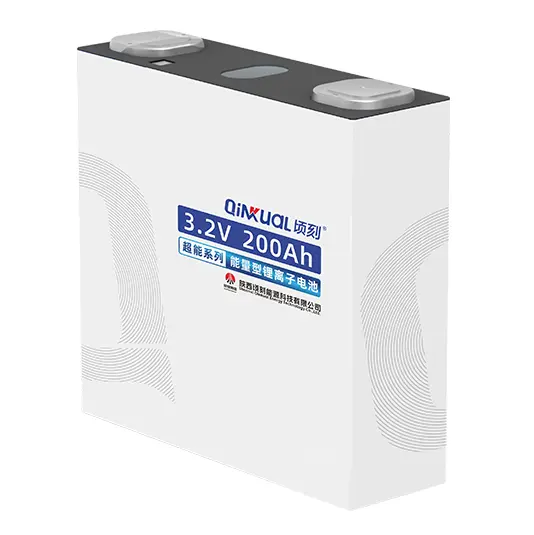
When selecting a long cycle life battery, chemistry matters. LiFePO₄ offers an excellent balance of safety, affordability, and cycle longevity, outperforming many other lithium-ion types. LTO chemistry extends life further, but trade-offs include lower energy density and higher cost. Temperature resilience is also vital: high ambient or operating temperatures accelerate degradation, reducing effective cycle life.
To extend the lifespan of a long cycle life battery, managing charge levels and cycling behavior is crucial. Avoid deeply discharging or continually charging to full capacity—keeping the state of charge between roughly 20% and 80% can significantly increase cycle longevity. Additionally, maintaining moderate temperatures and reducing both charge and discharge stress helps preserve capacity over time.
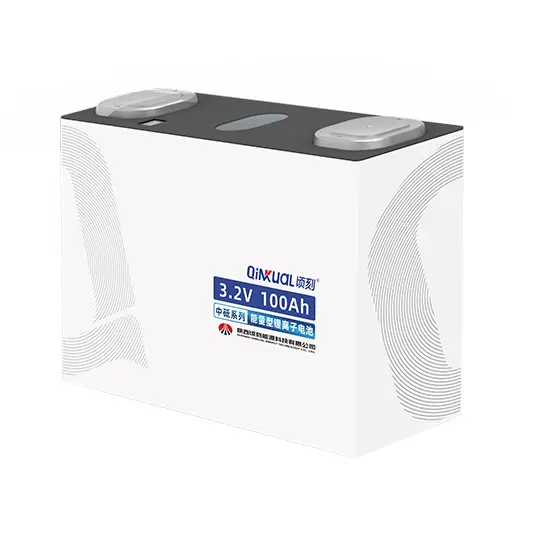
A long-cycle life battery may come with a higher initial price tag, particularly for LTO variants. However, its value often emerges over its lifespan: fewer replacements mean lower total cost of ownership and reduced environmental impact. Consider also supplier reputation, warranty terms, and whether the battery is backed by thermal management and safety systems to maximize real-world performance.
| Consideration | Guidance |
Chemistry | Prefer LiFePO₄ for balance, or LTO for maximum cycle life |
Cycle Management | Operate within 20–80% charge; avoid extremes |
Temperature Control | Maintain moderate temperatures and use thermal protection |
Value Assessment | Weigh upfront cost against lifespan and total cost over time |
Cycle life is strongly affected by temperature—not only heat, but also low-temperature charging behavior. In real-world deployments across Europe and North America (winter operation), Russia (extended low-temperature environments), and South East Asia (high heat and humidity), the same battery chemistry can show very different aging results.
A long cycle life battery designed for full temperature adaptability should be evaluated on:
Low-temperature charge acceptance: charging limits at sub-zero temperatures and whether controlled heating/thermal strategies are available
High-temperature stability: continuous operation under elevated ambient temperatures without accelerated degradation
Thermal uniformity inside modules/packs: uneven temperature distribution often causes cell imbalance and early capacity loss
Real cycle life test curves vs. single “cycle number”: request curves under multiple temperatures (e.g., low/room/high)
For integrators, temperature adaptability is not a feature label—it is a direct contributor to long cycle life, safety margin, and warranty stability.
Many applications require both long life and strong power capability. Ultra high C-rate batteries are designed for high peak current, fast charging, and high pulse discharge, which are common in:
EV/vehicle power battery packs (acceleration, regenerative braking, cold start performance)
UPS modules (instant high power output, frequent micro-cycling)
ESS with high power demand (grid support, frequency regulation, peak shaving with high power pulses)
When assessing high C-rate long cycle life batteries, confirm these parameters:
Continuous vs. peak discharge C-rate (and allowed duration for peak discharge)
Fast charging capability (recommended C-rate, temperature constraints, charge protocol)
Voltage sag and heat generation at high loads (power performance and thermal stress)
Cycle life under high-rate conditions (many products quote cycle life at low C-rate; request data closer to your use case)
A battery that performs well at high C-rate while maintaining long cycle life usually depends on cell design, thermal management, and BMS current protection strategy—not chemistry alone.
If your pack targets high power output and broad climate operation, focus on:
High-rate discharge and fast charge compatibility
Cold climate performance (cell internal resistance rise and charging restrictions)
Mechanical and vibration reliability for automotive environments
Cell consistency and traceability (batch control is critical for pack yield and cycle life)
Recommended approach: select cells/modules with validated high-rate test data and define pack-level thermal strategy early (cooling/heating, temperature sensors layout, BMS calibration).
UPS duty profiles commonly include float operation with occasional high-power discharge and frequent partial cycling. Key considerations:
High power pulse capability with stable voltage output
Calendar life and float aging performance (not only cycle life)
Safety design for indoor installations
Standard module integration: voltage platform, communication, protection logic, and consistency for parallel operation
Recommended approach: confirm performance under real UPS profiles (micro-cycling + standby) and verify protection thresholds to avoid capacity loss from shallow but frequent stress.
ESS projects prioritize bankability and system stability over many years. Key considerations:
Cycle life at realistic DoD and temperature aligned to the site profile
Round-trip efficiency and heat generation (impacts HVAC/thermal system cost)
BMS/EMS compatibility for system-level control and safety
Warranty clarity: throughput, cycles, capacity retention definition, operating window requirements
Recommended approach: evaluate long-cycle-life batteries by total cost of ownership (TCO) and request multi-temperature cycle curves and safety validation documents.
To compare long-cycle-life battery products fairly, ask for the exact test framework behind the stated cycle life:
DoD (%), charge/discharge C-rate, temperature, rest time, cutoff voltage
End-of-life definition (typically 80% capacity retention, but verify)
Sample size and consistency (not only “best cell” results)
Data at different temperatures (low/room/high)
Degradation curve (capacity retention vs. cycles) rather than a single cycle number
This is especially important for high C-rate products, where thermal stress and current stress can significantly change the cycle life outcome.
Even high-quality cells may underperform if the pack/system design is not optimized. For long cycle life in high-power applications, pay attention to:
BMS accuracy and response: current limiting, temperature protection, SOC estimation stability
Cell balancing strategy: passive/active balancing and balancing threshold design
Thermal management: cooling/heating method, airflow/liquid design, temperature sensor placement
Charge protocol matching: correct charge curve for the chosen chemistry and operating temperature window
Parallel/series consistency: matching cells by internal resistance and capacity to prevent early imbalance
For integrators, improving these system-level elements often brings a larger cycle life gain than simply choosing a “higher cycle number” cell.
For cross-border projects, long-cycle life success also depends on supply stability and compliance readiness. Before selecting a battery supplier, confirm:
Manufacturing capability and consistency (quality control, traceability, incoming/outgoing inspection)
After-sales and technical support for pack/UPS/ESS integration
Stable delivery capability for project schedules
Documentation readiness: datasheets, test reports, safety documents, and warranty terms aligned to your market
Project experience in similar high C-rate and temperature-challenging applications
These factors reduce integration risk and help ensure the rated cycle life translates into real operational value.
Choosing a long-cycle life battery is not only about chemistry. For demanding applications such as vehicle power packs, UPS modules, and high-power ESS, long-term performance depends on temperature adaptability, ultra-high C-rate capability, and system-level design (BMS + thermal). By verifying cycle life test conditions and selecting products engineered for real operating environments, you can achieve reliable capacity retention, safety, and lower total cost over time.