English

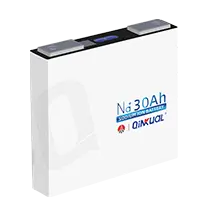
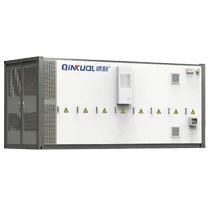
An ESS battery plays a vital role in enhancing grid stability by absorbing excess energy during low-demand periods and releasing it during peak demand. This "peak shaving and valley filling" method balances the grid, reduces reliance on traditional peak power generation, and ensures a smoother power supply.
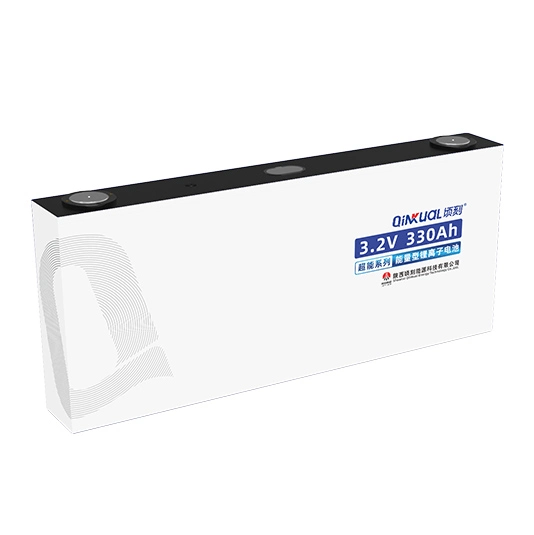
Renewable sources like solar and wind are inherently intermittent. An ESS battery stores surplus renewable energy for use when sunlight or wind is unavailable, significantly improving renewable energy utilization and reliability.

An ESS battery offers dependable backup power during outages or emergencies, ensuring that critical infrastructure—such as data centers, hospitals, or essential services—remains operational. This resilience supports continuous operation when the grid fails.
| Benefit | Description |
Grid Stability | Balances supply and demand effectively |
Renewable Support | Stores intermittent energy reliably |
Emergency Backup | Maintains power during outages |
When choosing an ESS battery, it's essential to evaluate several factors to ensure optimal performance:
Capacity and Power Needs: Select capacity and power ratings based on actual energy consumption and load profiles.
Safety Features: Ensure the battery system includes protection against overcharge, over-discharge, overcurrent, and extreme temperature conditions.
System Compatibility: The ESS battery must be compatible with existing energy infrastructure—like solar PV systems, inverters, or grid interfaces—for seamless integration.